

Hi, I’m Jane Doe , the proud founder of babybloomland.com and a mom who’s been through the beautiful (and sometimes chaotic) journey of babywearing. If there’s one thing I wish I’d known more about before my first child, it’s just how much a suitable baby wearing can transform your parenting experience.
Baby carriers have become an essential tool for parents worldwide—for good reason. Whether soothing a newborn, multitasking around the house, or heading out for an adventure with a curious toddler, the suitable carrier can make all the difference.
Over the years, babywearing has surged in popularity. Parents realize that baby carriers offer more than convenience; they foster closeness, support healthy development, and provide invaluable hands-free freedom. But with so many choices on the market, finding the perfect fit can feel overwhelming. I’ve been there, sifting through different wraps, slings, and structured carriers and learning what works and doesn’t.
What You’ll Learn in This Guide
In this comprehensive guide, I’ll share everything I’ve learned—practical tips, safety guidelines, and personal insights, to help you choose the suitable baby carrier for your needs. By the end of this guide, you’ll understand the types of carriers available and feel confident in making a choice that suits you and your baby. Let’s dive in and make babywearing an enjoyable and stress-free part of your parenting journey!
1. What is Babywearing?
Babywearing is more than just a way to carry your baby; it’s an age-old practice that promotes closeness and connection between parent and child. The concept is simple: using a carrier or wrap, you hold your baby snugly against your body as you go about your day. This practice has deep roots in many cultures and has been passed down through generations as an intuitive way to nurture and bond with a child.
2. Significance of baby-wearing
At its core, babywearing allows parents to maintain physical closeness with their baby, which fosters emotional bonding, encourages healthy development, and provides comfort and security. It was a lifeline during those early newborn days when my baby needed constant reassurance, and I craved the ability to move and function hands-free.
3. A Brief History of Babywearing Across Cultures
It’s fascinating to see how babywearing has transcended borders and centuries. In parts of Africa, traditional fabric slings known as “kanga” or “kitenge” have long been used to keep babies close while mothers work or travel. In Japan, parents historically used a cloth called “onbuhimo” to carry children on their backs. These rich traditions show that babywearing’s benefits are universally recognized by parents everywhere for their practicality and nurturing touch.
For more info read on our guides on Baby Carriers
Types of Baby Carriers
When I started exploring babywearing, I was surprised by how many carrier options there were. Each type of carrier has its unique features and best uses, so here’s a quick overview:
1. Wraps and Slings

Wraps are long pieces of fabric you tie around yourself and your baby, offering a custom fit perfect for newborns and smaller babies. They can take a little practice, but they provide unmatched comfort and flexibility once mastered. Slings, on the other hand, are worn over one shoulder and can be adjusted quickly, making them great for shorter periods of use.
Related Article: Can a baby sleep in a sling carrier
Will using a baby wrap affect breastfeeding
2. Soft-Structured Carriers
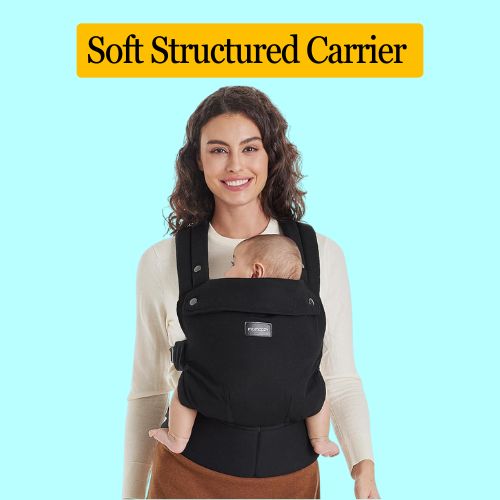
Soft-structured carriers are versatile, with adjustable straps and buckles that make them user-friendly for most parents. I remember feeling relieved when I first switched to a soft-structured carrier—it was supportive, ergonomic, and perfect for those longer outings or walks in the park.
3. Backpack Carriers

As my baby grew into a curious toddler, backpack carriers became my best friend for more adventurous outings. These carriers are perfect for hiking or day trips because they distribute weight evenly and have extra padding for comfort.
Related Article: Will a baby carrier help with colic
4. Ring Slings and Mei Tais

Ring slings offer a quick, one-shoulder option that’s easy to put on and adjust, while Mei Tais combines a wrap’s comfort with a soft carrier’s structure. Mei Tais has straps that tie around your waist and shoulders, offering a balanced and snug fit that I found helpful as my child transitioned from infancy to toddlerhood.
Related Article: Will a sling carrier support a preemie baby
Key Benefits of Babywearing
The benefits of babywearing go beyond convenience:
1. Physical benefits for the baby: Research and my own experience have shown that babies who are worn cry less and have better physical development, as the upright position helps digestion and reduces reflux.
2. Emotional bonding and attachment: Babywearing provides a sense of security and promotes bonding, which is crucial for a baby’s emotional health. I loved how babywearing made me feel in sync with my little ones, sensing their needs even before they fussed.
3. Convenience and hands-free mobility for parents: One of the most practical aspects of babywearing is having your hands free. Whether making dinner, shopping, or simply enjoying a walk, babywearing lets me stay productive while keeping my baby close and content.
How to Choose the Right Baby Carrier
Finding the perfect baby carrier that meets your family’s needs with comfort and safety is important. Here’s a guide to help you select the suitable carrier for you and your little one.
1. Baby’s Age and Size
The best carrier will vary depending on your baby’s age, weight, and developmental stage. A soft wrap or a structured carrier with extra head and neck support is ideal for newborns, older babies, and toddlers; structured carriers or backpack carriers offer the support needed for their growing bodies.
2. Parent’s Body Type and Comfort Needs
Your comfort is essential when babywearing. If you need extra help with even weight distribution, look for carriers with adjustable straps, waistbands, and back support. Many carriers are designed to fit a variety of body shapes and sizes, but trying on different styles can help you find the perfect match.
Related Article: Do you need a baby carrier for each parent
3. Safety and Ergonomic Features
Ensuring your carrier is safe and ergonomically designed can prevent discomfort or injury to you and your baby. Look for carriers that allow your baby to sit in an “M” position (knees higher than the bottom) for healthy hip development. The T.I.C.K.S. rule (Tight, In view, Close enough to kiss, Keep chin off chest, Supported back) is a helpful guide for positioning your baby safely.
4. Material and Breathability
Depending on your climate, the material of the carrier can make a big difference in comfort. Lightweight, breathable fabrics like cotton or mesh are ideal for warm weather, while thicker fabrics may provide extra coziness in colder months. Natural, soft materials are also gentle on a baby’s skin.
Comparison of Carrier Types
Here’s a detailed comparison table summarizing the features, pros, cons, and ideal use cases for each type of baby carrier
Choosing a suitable carrier means finding one that meets your and your baby’s needs at every stage. With a suitable carrier, you’ll have a comfortable, safe, and enjoyable babywearing experience.
Safety Guidelines for Babywearing
Safety is always the priority when babywearing. Follow these essential guidelines to ensure your baby is comfortable and secure.
1. Basic Safety Rules
Babywearing can be safe and enjoyable when following a few basic rules:
- Always read and follow the manufacturer’s instructions.
- Ensure your baby’s face is visible and they are in a comfortable position.
- Regularly check the carrier for signs of wear and tear, mainly if it’s used frequently.
2. T.I.C.K.S. Rule for Safe Babywearing
The T.I.C.K.S. rule offers a quick reminder for safe babywearing:

- Tight: The carrier should be snug so your baby stays securely close to you.
- In View at All Times: Always keep your baby’s face visible, allowing you to monitor their breathing.
- Close Enough to Kiss: Position your baby so their head is close enough to kiss.
- Keep Chin Off Chest: Ensure enough room for their chin, which helps with precise airflow.
- Supported Back: Keep your baby’s back well-supported to avoid slumping.
Proper Positioning to Support Hip Health
For healthy hip development, keeping your baby in an ergonomic “M“ position, with knees higher than their bottom, is essential. This reduces the risk of hip dysplasia and helps support the spine. Avoid carriers allowing the baby’s legs to dangle straight down, as this can strain their hips unnecessarily.
Common Mistakes and How to Avoid Them
1. Incorrect Positioning and Its Impact
Incorrect positioning can lead to breathing difficulties, spinal issues, and discomfort for both parent and baby. Always ensure your baby is upright, with their airway clear and head supported.
2. Choosing Non-Ergonomic Carriers
Non-ergonomic carriers can place unnecessary strain on a baby’s joints and muscles. Choose carriers that provide even support and keep your baby’s knees in the recommended “M“ shape.
Ergonomic Carriers Explained
An ergonomic design is crucial because it ensures the carrier distributes the baby’s weight evenly, reducing strain on both the baby’s hips and your back. Ergonomic carriers offer structured support and often have adjustable settings for various carrying positions.
Examples of Top Ergonomic Carriers
- Ergobaby 360: Known for its all-position support and excellent ergonomic design.
- Tula Free-to-Grow: Adjustable from newborn to toddler, promoting proper hip positioning.
- BabyBjörn Carrier One: Offers excellent support for both parent and baby, with a design that grows with the baby.
How to use different types of Baby Carriers
How to Use Wraps and Slings
Wraps and slings can seem complicated, but with some practice, they’re easy to use and offer a cozy carrying option for newborns.
- Start by positioning the center of the wrap or sling across your chest.
- Cross the fabric behind your back and bring it to the front, creating a snug pocket.
- Place your baby in the wrap, ensuring their legs are in the “M“ position.
- Adjust to keep them tight, close enough to kiss, and with their head supported.
How to Use Soft-Structured Carriers
Soft-structured carriers (S.S.C.s) are often more accessible for beginners. They have adjustable straps and buckles for a customized fit.
- Place the carrier’s waistband around your hips, securing it tightly.
- Hold your baby against your chest, with legs in the “M“ position.
- Buckle and adjust the shoulder straps to ensure even weight distribution.
- Check that the baby’s back is well-supported and their face is visible.
How to Use Backpack Carriers
Backpack carriers are ideal for parents of older babies who enjoy outdoor activities.
- Set the carrier on a stable surface and lift your baby into the seat.
- Adjust the shoulder straps and hip belt for optimal comfort and balance.
- Ensure the carrier’s weight is evenly distributed to avoid strain during extended wear.
Choosing Carriers for Different Stages of Babyhood
1. Newborn-Friendly Carriers
For newborns, look for carriers that provide ample head and neck support and are made from soft, breathable materials. Wraps and ring slings are particularly suitable.
2. Carriers for Toddlers
Once your baby grows into toddlerhood, you’ll want a sturdy, supportive carrier designed for their increased weight. Structured and backpack carriers are great options for active toddlers.
3. Adjustable Carriers for Growth
Many carriers are designed to adapt as your baby grows. Adjustable carriers allow for easy transitions from newborn to toddler, saving you from purchasing multiple carriers.
Accessories and Add-Ons for Baby Carriers
1. Must-Have Accessories
Add weather covers, drool pads, and storage pouches to your babywearing setup for convenience.
2. Seasonal Considerations
Select breathable carriers for summer and warmer options for winter. Some airlines have detachable layers or weather covers, which can be helpful throughout the year.
3. Fashion and Babywearing
For fashion-conscious parents, plenty of stylish designs are available that blend seamlessly with various outfits. Many carriers now offer customizable patterns and colors to suit your style.
Frequently Asked Questions About Baby Carriers
Can Babywearing Be Done Safely with Twins or Multiples?
Some carriers are designed specifically for twins, while others allow for tandem wearing. Look for carriers that provide enough support for each baby.
1. How Long Can a Baby Stay in a Carrier?
Babies can typically stay in a carrier for a few hours, but taking breaks is essential. This allows them to stretch, change positions, and ensure proper circulation.
2. What Should Parents Do if the Baby Doesn’t Like the Carrier?
Not all babies respond immediately to a carrier. Try adjusting the positioning, choosing a different type of carrier, or allowing your baby time to get used to it.