

Can A Bumpy Stroller Ride Cause Brain Damage?
As you navigate your stroller across bumpy paths, you may notice your baby’s head bobbing around, which can spark worries in your mind. You may wonder whether these jolts could harm your little one and even trigger a severe condition like shaken baby syndrome. However, it’s important to remember that you’re not alone in these concerns.
In this article, we’ll explore whether a stroller ride can cause brain damage, dispel myths, highlight the facts, and assure you that your daily strolls do not cause panic. Always remember that when it comes to your baby’s safety, no question is too small.
Can a baby get shaken baby syndrome from a bumpy stroller ride?
Ordinary bumps on pavements or roads are unlikely to affect your baby’s brain. However, significant jolts, such as those that occur in accidents, can potentially be harmful. Always ensure your baby is securely strapped in, and avoid driving on rough terrains.
As a parent, worrying about your child’s safety while riding in a stroller is natural. However, the effects of a bumpy ride are less of a deal than you may think. It’s essential to prioritize your child’s safety by securely fastening them in the stroller. Holding your child until it smooths out is best if the ride becomes too rough.
When shopping for a stroller, look for a suspension system for all terrains to handle the bumps. Although the worry may never entirely disappear, knowing you are doing everything possible to keep your child safe can give you peace of mind. Striking a balance is critical.
Related Article:What Car Seats Are Compatible with UPPAbaby Vista, Vista V2, and Vista V3?
Unpacking The Myths: Shaken Baby Syndrome Explained
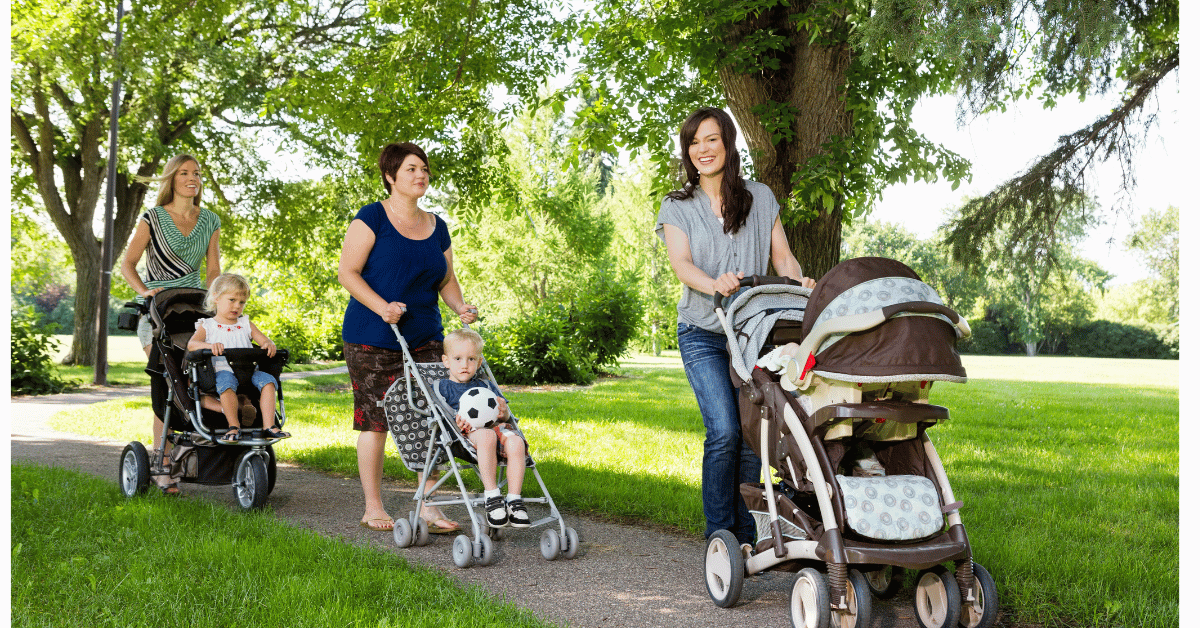
You’ve likely heard of Shaken Baby Syndrome. However, a few misconceptions surround this topic, so let’s clarify things and get to the truth.
From my personal experience, it’s essential to understand that Shaken Baby Syndrome results from violent shaking on purpose, not from a bumpy stroller ride. However, let’s not get it twisted.
Keeping your stroller in excellent condition ensures your baby is comfortable and isn’t jostled around unnecessarily. Here’s a pro tip: invest more in a stroller with great suspension to guarantee a smooth journey, even on bumpy terrain.
I’ve been there, and rough rides can be unnerving, but with proper stroller care, you won’t risk your little one’s safety.
Related Article: How Long Do Strollers Last? (Updated 2025)
Medical Insights: The Neuroscientist’s Perspective On Baby Brain Safety
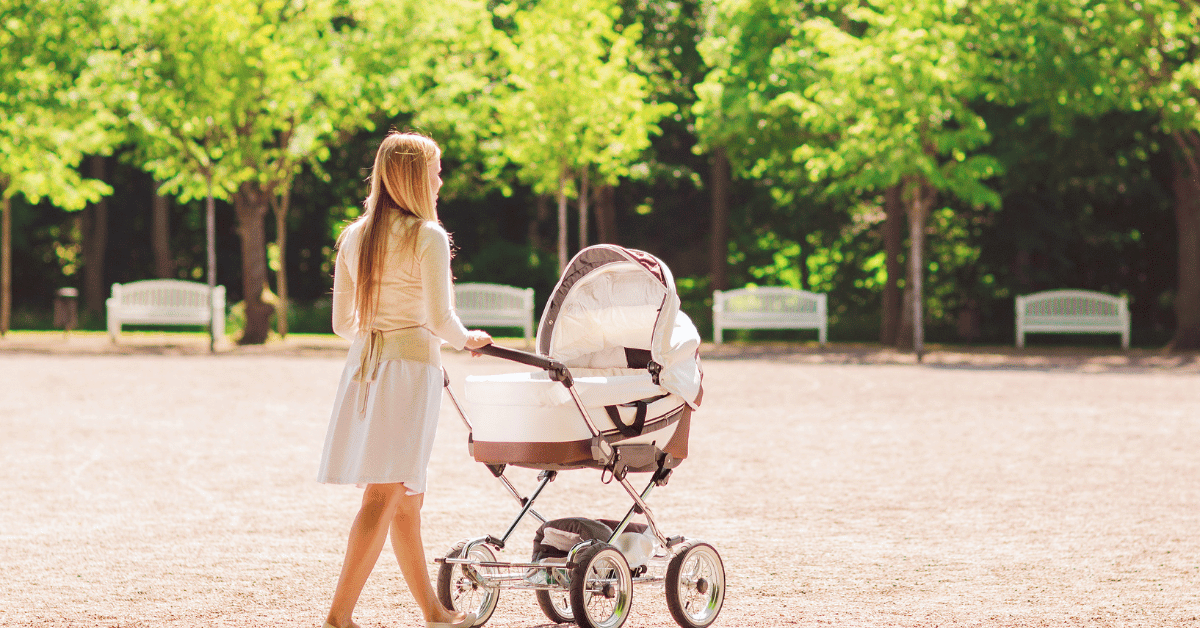
Exploring the field of neuroscience is like discovering a treasure trove of valuable information about the safety of your baby’s brain, even when they experience bumpy rides in their stroller. Recent studies have shown that such vibrations have little to no impact on your little one’s brain development. Your baby’s brain is like a superhero, designed to withstand these slight disturbances. However, it’s always better to be on the side of caution.
If you’re taking your baby out for a stroll, there are some valuable tips to keep in mind:
- Choose a stroller designed for rough terrains, which will have better suspension, reducing shaking and rattling.
- Ensure your baby’s head is correctly supported in the stroller, and consider using a padded headrest for added comfort.
- Avoid bumpy paths wherever possible.
However, it’s important to remember that these tips are just safety pointers. Your baby is more challenging than you might think, and a few bumps here and there won’t affect their development.
Can Shaken Baby Syndrome (SBS) Accidently happen?
Shaken Baby Syndrome (SBS), also known as abusive head trauma, is a severe brain injury caused by forcefully shaking an infant or young child. It occurs when the brain moves back and forth inside the skull, leading to bleeding, swelling, and nerve damage.
Importantly, routine activities like gently bouncing your baby, rocking them, or driving over a bumpy road do not cause SBS. The injury typically happens during extreme frustration, often when a caregiver shakes a baby to stop persistent crying.
Related Article: Are car seat strollers safe ?
Symptoms of SBS
Signs can appear immediately or develop over a few days and include:
- Difficulty breathing
- Lethargy or irritability
- Vomiting
- Poor feeding
- Seizures
- Trouble focusing the eyes or tracking movement
- In severe cases, coma, paralysis, or unresponsiveness
If you suspect your baby may have SBS, seek immediate medical attention, as it is a life-threatening emergency.
How to Prevent SBS
Preventing SBS involves education and stress management:
- Learn techniques to soothe a crying baby safely.
- If overwhelmed, place the baby in a safe space and step away to calm yourself.
- Seek support from family, friends, or a pediatrician.
SBS is entirely preventable with awareness and proper handling. For additional resources, explore reputable platforms such as Nemours Kids Health or the National Center on Shaken Baby Syndrome, Don’t Shake.
Symptoms of Shaken Baby Syndrome: When Do They Appear?
Shaken Baby Syndrome (SBS) symptoms can manifest immediately or within a few days after the injury. These include:
- Irritability and poor feeding
- Vomiting or lethargy
- Difficulty breathing
- Seizures or paralysis
If you suspect SBS, seek medical attention immediately, as it is a life-threatening emergency.
Can a Bumpy Stroller Ride Harm My Baby?
Generally, a properly secured baby in a stroller designed for their age is safe, even on mildly bumpy terrain. However, extreme activities like off-roading in vehicles could pose risks. Ensure the baby is in a car seat designed for off-road travel and avoid excessive jarring movements.
Concerned About Rocking Your Baby Too Hard?
Parents often worry about rocking their baby too hard. Rest assured, gentle rocking does not cause SBS. Follow these tips for safe rocking:
- Use a chair designed for smooth motions.
- Hold the baby close to your body.
- Avoid vigorous movements or prolonged rocking once the baby is asleep.
How Much Force Causes SBS?
SBS results from violent shaking, causing the brain to move forcefully inside the skull. The exact force is difficult to quantify, as it depends on factors like the baby’s age and weight. Everyday activities like bouncing or gentle play will not cause SBS. Always handle your baby with care to prevent this entirely avoidable injury.
Related Article: The Ultimate Guide to Baby Doll Strollers
The Role Of Intentional Force In Causing Infant Brain Damage
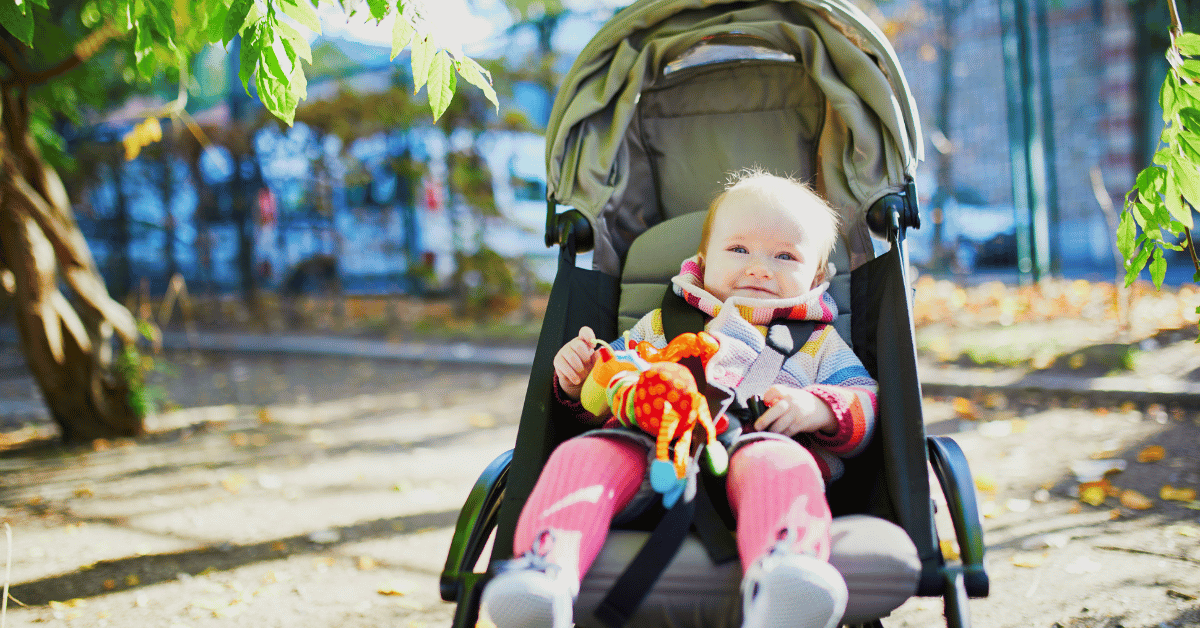
Let’s talk about the severe issue of intentional force, which is more likely to cause brain damage in babies than a bumpy stroller ride. As a parent, you might feel worried every time the stroller hits a bump, but there’s no need to be concerned if you have a stroller with shock absorbers. These strollers are designed to handle rough terrain and keep your baby’s brain safe.
When you’re out with your baby in the stroller and encounter a rough patch on the road, remember to take it slow and steady and watch out for potential danger zones. Everyday bumps and knocks are usually not a cause for concern, but intentional shaking can be harmful and lead to severe injuries. Therefore, the best thing you can do is to show love and care to keep your baby safe.
Parental Experiences: Walking Babies On Rough Surfaces
Taking your baby for a stroll on a rough surface can be a little nerve-wracking. Many parents worry about the potential impact on their baby’s developing brain. However, the benefits of taking your little one for a ride in the stroller outdoors far outweigh these concerns. Fresh air, changing views, and a gentle rocking motion provide a sensory feast for your baby.
It’s important to remember that you’re not alone in your worries. A whole community of parents has been in your shoes and can attest to their babies’ resilience. While safety should always be a top priority, there’s no hard and fast rule that you have to stick to bumpy paths. Plenty of options are available, such as choosing smoother trails, using a baby carrier, or investing in a stroller with a top-notch suspension.
Don’t let the fear of “what-ifs” steal away those priceless outdoor experiences. Remember, your baby’s safety is paramount, but some solutions can help you enjoy the great outdoors with your little one.
Related Article: How long do strollers last?
Tips for Off-Roading Safely with a Baby
Off-roading can increase the risks of injury due to intense, jarring motions. To minimize risks:
- Use a stroller rated for rough terrain.
- Avoid very uneven surfaces.
- Take breaks frequently and check on your baby.
Stroller Hacks and Tips
- Labeling for Easy Use
- Use color-coded stickers on buttons and levers to label instructions for opening and closing the stroller.
- Cup Holder Hack
- Create cup holders using an old shoe organizer.
- Cut out pockets, add adhesive Velcro, and attach them to the stroller basket.
- Handle Fix
- Repair torn handles with tennis grip tape for a comfortable and colorful finish.
- Hands-Free Shopping
- Use an extra-large carabiner to hang your diaper bag.
- Add a Velcro loop to hold smaller clips for organized multitasking.
- Prevent Stroller Tipping
- Wrap ankle weights around the front legs to balance a heavy stroller.
- Space-Saving Storage
- Secure the stroller upright in your trunk with an old belt around both headrests.
- Hang the stroller on an over-the-door hook in your garage for less frequent use.
- DIY Stroller Cleaning
- Wash your stroller using a dish soap solution for a fun “stroller car wash” activity.
- Rinse with water and dry in the sun for extra hygiene.
- Extend Canopy Shade
- Use a thin, breathable blanket and binder clips to create an adjustable shade.
- Improved Wheel Traction
- Add zip ties around stroller wheels and cut off the excess for better grip on slippery terrain.
- Public Space Security
- Use a flexible bike lock to secure your stroller in public spaces.
- Night Visibility
- Apply reflective tape or battery-operated bike lights to make your stroller visible at night.
These simple hacks can make stroller use more convenient, safe, and fun!
Shaken Baby Syndrome- Facts V/S Myths
| Category | Fact | Myth |
|---|
| Causes | SBS occurs from violent, forceful shaking, which causes the brain to move back and forth inside the skull, leading to swelling, bleeding, and severe damage. | Bumpy stroller rides, gentle tossing, or bouncing cause SBS. Normal activities with appropriate force cannot lead to SBS. |
| Risk Factors | SBS primarily affects children under 2 years old, especially between 6-9 months. Baby boys are at higher risk, and male caregivers are more commonly involved. | All cases of SBS are premeditated. Most incidents are not planned but happen when a caregiver reacts impulsively to a crying baby. |
| Symptoms | Symptoms include vomiting, irritability, lethargy, seizures, difficulty breathing, and inability to lift the head. Severe cases may result in blindness or developmental delays. | Symptoms always show immediately. While some signs appear quickly, others may take hours or days to become evident. |
| Prevention | SBS is 100% preventable. Caregivers should place a crying baby in a safe spot (like a crib) and step away to calm down. Support networks are essential to manage stress. | Responding immediately to crying prevents emotional damage. Briefly stepping away is safe and healthier than risking frustration escalating to harmful actions. |
| Play & Activities | Normal playful activities like gentle bouncing, tossing in the air, or stroller rides are safe when done appropriately. | Activities like rocking or jiggling your baby too hard can cause SBS. Normal force used in everyday care is not enough to result in SBS. |
What Is Quiet Baby Syndrome?
Quiet baby syndrome refers to infants exhibiting unusually subdued behavior or lack of crying. While not a recognized medical diagnosis, it can sometimes indicate underlying conditions, such as congenital hypothyroidism, which affects thyroid hormone production essential for nervous system development.
Signs of congenital hypothyroidism include:
- Poor feeding.
- Difficulty maintaining average body temperature.
- Weak or absent crying.
Treatment typically involves thyroid hormone replacement therapy. If your baby seems unusually quiet or has difficulty feeding, consult a healthcare provider promptly.
Why Does a Baby’s Head Flop Backwards?
A baby’s head may occasionally flop backward due to weak neck muscles, which are normal in infants during the early months of life. This can also happen because the softness of their skull allows for flexibility.
To prevent this:
- Always support the baby’s head and neck when carrying or lifting them.
- Avoid sudden movements.
This head flopping usually resolves as the baby’s muscles strengthen, typically by 3-4 months of age.
Can a Bumpy Stroller Ride Hurt a Baby?
An adequately secured baby in a stroller designed for their age can handle typical bumps without harm. However, extreme jarring, such as during off-roading, could be more concerning. Follow these precautions:
- Use a stroller with appropriate suspension for rough terrain.
- Check that the baby is securely strapped in.
- Avoid overly bumpy surfaces when possible.
Tips for Stroller Safety: Eating, Dressing, and Traveling with Your Baby
1. Feeding Your Baby in the Stroller
- Keep it Clean: Use a removable tray or a washable mat to avoid spills directly on the Stroller.
- Choose Safe Snacks: Choose non-cookable, easy-to-grab snacks like cut fruits or crackers.
- Position Properly: Ensure your baby is sitting upright and securely strapped in while eating to prevent choking.
2. Dressing Your Baby in the Stroller
- Skip the Puffy Coats: Thick coats can interfere with the stroller harness. Instead, dress your baby in layers and add a warm blanket over the straps.
- Weather Matters: Use stroller covers or sunshades for extreme weather protection, ensuring proper airflow.
3. Traveling Without Baby But Bringing the Stroller
- Plan for the Airport: Invest in a stroller travel bag for better protection and easier handling at the airport.
- Gate-Check Option: Most airlines allow strollers to be checked at the gate. Confirm this when booking your flight.
- Compact is Better: Choose a lightweight, foldable stroller for travel convenience.
4. General Stroller Safety
- Secure Straps Always: Ensure the harness is fastened snugly to keep your baby safe during the ride.
- Be Terrain-Aware: Avoid uneven or rocky paths to minimize discomfort and potential risks.
- Emergency Preparedness: Keep essentials like a small first-aid kit and weather-appropriate covers handy.
Related Article: Age by age guide to strollers
Can a Bumpy Stroller Ride Hurt a Baby? Final Verdict
No, An adequately secured baby in a stroller designed for their age can handle typical bumps without harm. However, extreme jarring, such as during off-roading, could be more concerning. Follow these precautions:
- Use a stroller with appropriate suspension for rough terrain.
- Check that the baby is securely strapped in.
- Avoid overly bumpy surfaces when possible.
FAQs on Can A Bumpy Stroller Ride Cause Brain Damage?
1. Is It Safe to Bounce a Baby?
Bouncing your baby can be a fun way to engage or soothe them, but safety is critical:
- Always support their head and neck.
- Keep movements gentle and controlled.
- Avoid bouncing too high or roughly.
2. Should You Bounce a Baby to Sleep?
While bouncing may help some babies fall asleep, it can lead to dependency, making it harder for them to self-soothe later. Alternative soothing methods include gentle rocking or using a swing, which is less likely to create long-term sleep associations.
Focusing on safe and gentle movements ensures your baby stays comfortable while forming healthy habits.
3. Can Burping Too Hard Cause Shaken Baby Syndrome (SBS)?
Shaken Baby Syndrome (SBS) is caused by violent and forceful shaking that causes the baby’s brain to move back and forth within the skull, leading to bleeding, swelling, and possible brain damage. This shaking typically occurs in severe frustration or anger, not from gentle caregiving activities like burping or rocking.
Burping a baby, even with moderate patting on the back, is highly unlikely to cause SBS. To ensure safety during burping:
- Support your baby’s head and neck properly.
- Use gentle, rhythmic pats instead of excessive force.
If you’re ever concerned about your actions’ safety, consult a pediatrician for guidance.
4. Can a baby get Shaken Baby Syndrome from a bumpy stroller?
No, jiggling your baby in your arms or experiencing a bumpy stroller ride won’t cause Shaken Baby Syndrome. This syndrome requires deliberate and forceful back-and-forth motion.
5. Are strollers too bumpy for newborns?
No, bumpy stroller rides newborn are safe for your baby. Like those in a stroller, gentle movements are not a risk for Shaken Baby Syndrome.
6. What is the warning on baby strollers?
The U.S. Consumer Product Safety Commission (CPSC) warns of potential serious injury or death if children are not adequately restrained in strollers. It emphasizes the risk of a baby’s head and neck becoming entrapped between the hand rest bar or stroller tray and seat bottom.
Resources Used For The Article:
-
- http://cacofniagara.org
- https://www.guelphmercury.com
- https://my.clevelandclinic.org
- https://rumahsakitislam.com
- https://kidshealth.org
- https://www.livescience.com
- https://www.guelphmercury.com
- https://site.nyit.edu
- https://www.childrenscolorado.org
- https://pubmed.ncbi.nlm.nih.gov
- https://pmc.ncbi.nlm.nih.gov
- https://onlinelibrary.wiley.com
- https://publications.aap.org
- https://web.archive.org
- https://books.google.com.pk
- https://web.archive.org
- https://www.nature.com
- https://web.archive.org/
- https://www.ncbi.nlm.nih.gov
- https://pmc.ncbi.nlm.nih.go
- https://www.aans.org
For more info read on our guides on Baby strollers


I was recommended this website by my cousin I am not sure whether this post is written by him as nobody else know such detailed about my difficulty You are wonderful Thanks
hiI like your writing so much share we be in contact more approximately your article on AOL I need a specialist in this area to resolve my problem Maybe that is you Looking ahead to see you